
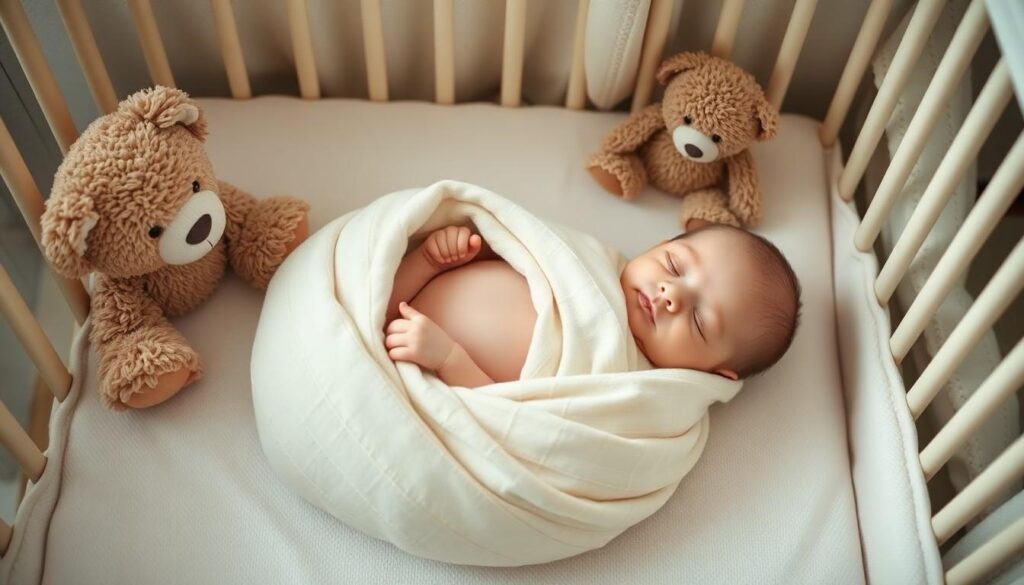
Newborns are often seen as the ultimate picture of innocence, but what if they’re secretly battling their own tiny demons in dreamland? While parents might chuckle at the idea of their little bundle of joy having nightmares, it’s a question worth pondering. After all, those adorable faces scrunching up in their sleep could be more than just cute sleep twitches.
The truth is, newborn sleep is a mysterious realm filled with rapid eye movement and a sprinkle of confusion. As parents navigate the world of sleepless nights and diaper changes, understanding whether their little ones experience nightmares can shed light on those curious nighttime behaviors. So, do newborns really have nightmares, or are they just dreaming of milk and cuddles? Let’s dive into the dream world of infants and uncover the truth behind their nighttime adventures.
Understanding Newborn Sleep Patterns
Newborn sleep patterns are distinct and complex. These patterns lead to unique nighttime experiences, which raises questions about whether newborns dream or experience nightmares.
Stages of Sleep in Newborns
Newborns exhibit multiple sleep stages, primarily REM and non-REM sleep. REM sleep typically accounts for about 50% of their total sleep duration. Newborns cycle through these stages approximately every 50 to 60 minutes. Non-REM sleep features deeper sleep phases that help with growth and development. It usually reinforces daytime experiences, ensuring the infant feels rested. Changes in these stages occur as a child matures, leading to more regulated sleep patterns in older infants.
Characteristics of REM Sleep
REM sleep features rapid eye movements, which are common in newborns. During this phase, brain activity increases significantly, often resembling wakefulness. Newborns engage in twitching and facial movements, suggesting they might have vivid dreams. Despite appearing restless, this stage fosters essential brain development. REM sleep helps in processing information and emotions, crucial for overall cognitive growth. It builds a strong foundation for future emotional well-being and mental health.
The Science Behind Nightmares

Nightmares, defined as distressing dreams that evoke fear or anxiety, typically occur during REM sleep. These episodes can lead to waking from sleep with lingering feelings of dread or discomfort. Although adults frequently report nightmares and have recognizable themes, the nature of nightmares in newborns remains less clear.
Age significantly affects dreaming experiences. Newborns, primarily in a REM sleep phase, engage in a more fragmented dream state that’s different from older children and adults. As children grow, sleep cycles become more organized, allowing for longer periods of non-REM sleep and a more complex dream narrative. By ages 3 to 5, children start experiencing true nightmares reflecting their expanding emotional and cognitive awareness. These evolving patterns illustrate how growth influences content and frequency of nightmares, shedding light on the development of a child’s nighttime experiences.
Do Newborns Have Nightmares?
Newborns exhibit unique sleep behaviors that often lead to questions about nightmares. The characteristics of their sleep patterns contribute to confusion around this topic.
Research Findings on Nightmares in Infants
Limited research specifically addresses nightmares in infants. Most studies focus on sleep stages, particularly REM sleep, accounting for approximately 50% of newborn sleep. The presence of rapid eye movements during REM suggests they may experience dream-like imagery, although this does not confirm the existence of nightmares. In fact, current understanding indicates that newborns likely engage in more serene dreaming reflective of their basic needs. As infants grow, the potential for nightmares associated with emotional complexity increases, commonly presenting in older children.
Common Misconceptions
Many mistakenly believe newborns experience nightmares similar to older children or adults. Newborn sleep cycles differ greatly, featuring fragmented sleep patterns without the cognitive awareness necessary for complex dream narratives. It’s also important to note that since newborns primarily focus on immediate comforts, thoughts about natural needs such as food and security dominate their dreams. The developmental stage of a newborn does not support the assertion that they encounter fear or distress during sleep. Thus, as parents observe their sleeping infants, they need to understand that what seems like restlessness may not signal nightmares.
Signs of Disturbed Sleep in Newborns
Parents may notice several signs that indicate their newborn experiences disturbed sleep. Monitoring these signals can provide insight into their child’s sleep quality.
Behavioral Indicators
Restlessness often manifests through movements like twitching, jerking, or sudden awakenings. Crying or fussing during sleep also raises concerns about disturbances. Changes in breathing patterns may occur, indicating possible discomfort. Additionally, facial expressions such as grimacing or frowning can suggest unrest during REM cycles. With these observable behaviors, parents may gain a clearer understanding of their child’s sleep state.
Impact on Parents
Disturbed sleep can significantly affect parents’ well-being and emotional states. Increased night awakenings can lead to exhaustion and heightened stress levels. Lack of quality sleep may cause frustration and hinder daily activities. These challenges often create tension within family dynamics, impacting overall harmony. Recognizing sleep disturbances allows parents to seek support or advice, helping them manage their stress and boost their infant’s sleep quality.
Tips for Promoting Healthy Sleep in Newborns
Promoting healthy sleep habits in newborns is essential for their development. Establishing routines and creating a conducive sleep environment supports better sleep quality.
Establishing a Bedtime Routine
Creating a consistent bedtime routine is key to signaling it’s time for sleep. Babies thrive on predictability. Activities like a warm bath, gentle rocking, or soft lullabies can calm them down. Each night, performing the same actions helps babies understand what to expect. Timing plays a significant role. Aim for bedtime around the same time every night, encouraging regular sleep patterns. Additionally, keeping the routine brief—about 20 to 30 minutes—makes it manageable. Positive associations with bedtime lead to easier transitions into sleep.
Creating a Comfortable Sleep Environment
A comfortable sleep environment is crucial for newborns. Factors such as room temperature, lighting, and noise levels significantly impact sleep quality. Keeping the nursery at a cool, comfortable temperature (between 68°F and 72°F) supports restful sleep. Using blackout curtains can minimize light disturbances while promoting a serene atmosphere. The use of white noise machines or soft music can mask sudden noises that might disrupt sleep. Investing in a firm, safety-approved mattress ensures a supportive sleeping surface. Parents must pay attention to these details to create a peaceful sleep sanctuary for their infants.
Conclusion
Newborns may not experience nightmares in the way older children and adults do. Their sleep is primarily characterized by REM cycles that support essential brain development rather than distressing dreams. While parents might observe signs of restlessness, these behaviors are often misinterpreted as nightmares. Instead, they reflect the natural sleep patterns of infants who are still adjusting to the world around them.
Understanding these unique sleep dynamics can help parents foster a more peaceful sleep environment for their little ones. By promoting healthy sleep habits and routines, parents can ensure their newborns enjoy restful nights, ultimately benefiting both the child and the entire family.