
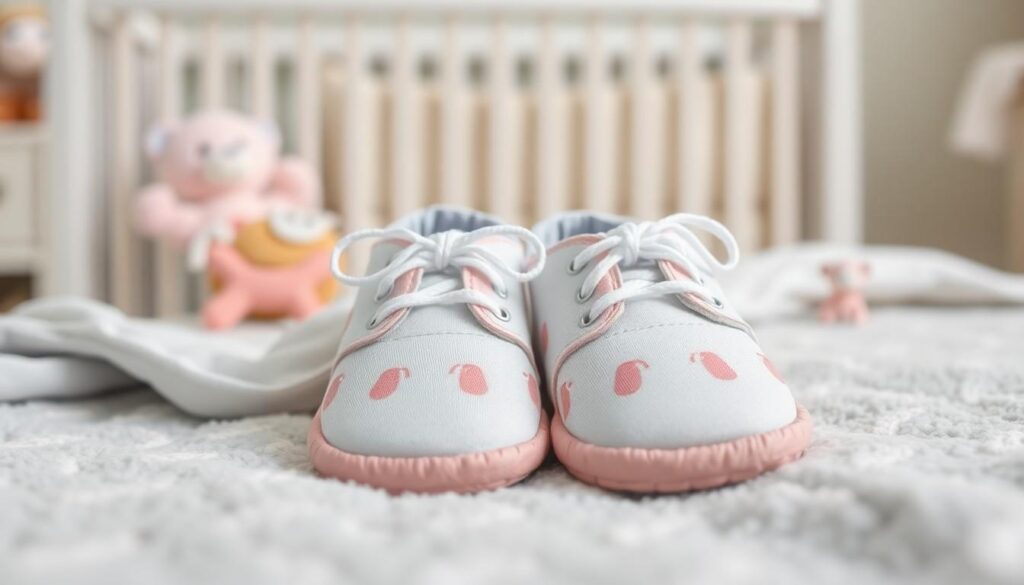
When it comes to dressing a newborn, every parent knows that the right outfit can make all the difference. But let’s be honest—do tiny feet really need shoes? While they might not be taking their first steps anytime soon, adorning those little tootsies with stylish kicks can be a fun way to express personality. Plus, who can resist the cuteness of miniature footwear?
Importance Of Shoes For Newborns
Newborns’ shoes serve both practical and aesthetic purposes. While they aren’t necessary for walking, selecting the right pair can influence foot health and development.
Developmental Considerations
Footwear can impact a newborn’s foot development. Soft soles allow for natural movement and growth. Select shoes that provide ample room for toes, promoting proper alignment. Properly fitted shoes accommodate foot swelling that often occurs in newborns. Consider using shoes that mimic the feeling of being barefoot to enhance sensory experiences.
Safety Features
Safety is crucial when choosing shoes for newborns. Opt for non-slip materials that prevent slipping on smooth surfaces. Shoes should fit snugly without being too tight, preventing potential injuries. Cushioning protects delicate feet against impacts. Look for breathable materials that reduce the risk of overheating. Ensure the shoes secure properly to minimize chances of them slipping off.
Types Of Shoes For Newborns

Newborn shoes come in various designs and materials suited for comfort and support. Understanding these options helps parents make informed decisions.
Soft Sole Shoes
Soft sole shoes enhance flexibility and allow natural movement of tiny feet. Made from lightweight materials, these shoes are ideal for infants who aren’t walking yet. Materials like leather or cotton provide breathability. Varieties include booties and slippers designed for snugness. They protect delicate feet while still enabling tactile experiences.
Hard Sole Shoes
Hard sole shoes offer extra support for older infants transitioning to walking. These shoes feature sturdy construction, providing stability on different surfaces. Proper fit ensures comfort while accommodating swelling. Parents should consider styles with adjustable closures for ease of wear. Although not necessary for newborns, hard sole shoes may suit infants gaining mobility.
Booties And Slippers
Booties and slippers deliver warmth and comfort for newborns during colder months. Designed to stay on little feet, they often feature elastic openings or Velcro straps. Soft materials ensure comfort while protecting against cold surfaces. Parents often choose fun designs to complement outfits. Booties and slippers provide both practical and aesthetic value, enhancing a newborn’s footwear collection.
How To Choose The Right Shoes For Newborns
Choosing the right shoes for newborns involves careful consideration of several factors. Parents prioritize comfort, safety, and development as they seek suitable footwear.
Size And Fit
Finding the correct size and fit is essential. Newborns’ feet can swell, so measuring them regularly helps ensure an accurate fit. Soft shoes should leave a small amount of space at the toes. Bursting seams or tightness indicates poor fit. Properly fitting shoes should not hinder movement or circulation. Parents can consider adjustable features like elastic or Velcro straps for growth flexibility. These features provide additional comfort and security during wear.
Material And Breathability
The choice of material impacts comfort and foot health. Soft, breathable fabrics such as cotton or leather promote airflow and reduce overheating. Shoes made from non-toxic, hypoallergenic materials offer safety. Flexibility in the materials allows for natural foot movement, which is vital for development. Parents should avoid synthetic materials that could irritate sensitive skin. Prioritizing lightweight and non-slip soles ensures safety and reduces slipping. Each aspect contributes to creating a comfortable environment for newborns’ delicate feet.
Best Brands For Newborn Shoes
Several reputable brands offer high-quality newborn shoes designed for comfort and safety. Parents can choose from a variety of styles and materials that cater to the unique needs of infants.
Brand A Overview
Brand A specializes in soft sole shoes made from premium materials. Known for their flexible design, these shoes allow natural movement while providing ample support. Parents appreciate the quality craftsmanship and attention to detail, ensuring durability. The brand includes a range of cute designs and colors, helping to express every newborn’s personality. Safety features, such as non-slip soles and breathable fabrics, make them suitable for infants. Many parents find the adjustable straps enhance fit, accommodating swelling and growth.
Brand B Overview
Brand B focuses on booties and slippers crafted from soft, warm materials. These products offer comfort during colder months, keeping little feet cozy. The elastic openings secure fit without being constrictive. The lightweight design ensures ease of movement for newborns. Many caregivers value the non-toxic materials used, promoting safety for delicate skin. Brand B presents stylish options that blend practicality with aesthetics, making them a favorite among parents. Every pair reflects the brand’s commitment to quality and child-friendly designs.
Conclusion
Choosing the right shoes for newborns is more than just a fashion statement. While they won’t be walking just yet, the right footwear can support healthy foot development and enhance sensory experiences. Parents should prioritize comfort safety and flexibility when selecting shoes.
Soft sole shoes are ideal for infants while booties provide warmth during colder months. It’s essential to ensure a proper fit to accommodate growing feet. By considering materials and safety features parents can find the perfect pair that combines style with functionality. Investing in quality footwear sets the foundation for a child’s future mobility and comfort.